
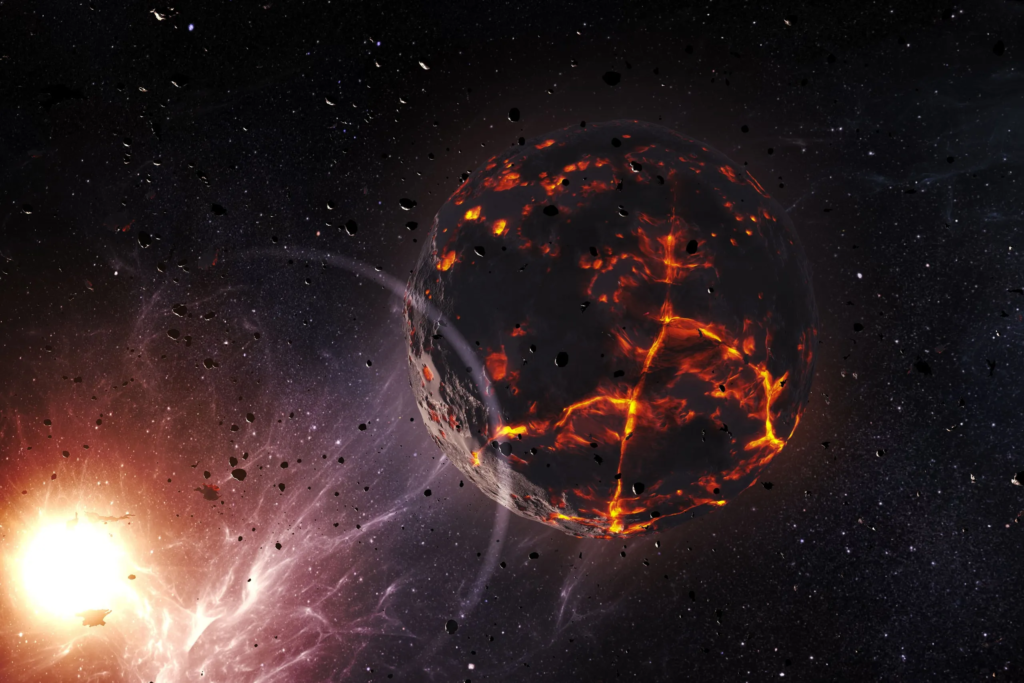
The question of how the universe will end has fascinated scientists for decades. Although the universe began 13.8 billion years ago with the Big Bang, its ultimate fate remains one of the greatest mysteries in cosmology. Today, researchers use advanced models to predict how the universe will end based on dark energy, expansion, and entropy.
The real question is: How will the universe end?
Scientists have proposed several possibilities. Although we cannot observe the future directly, modern cosmology allows us to predict likely outcomes. Based on current data about expansion and dark energy, four main theories dominate the discussion.
Let’s explore them one by one.
❄ 1️⃣ How The Universe Will End: The Big Freeze
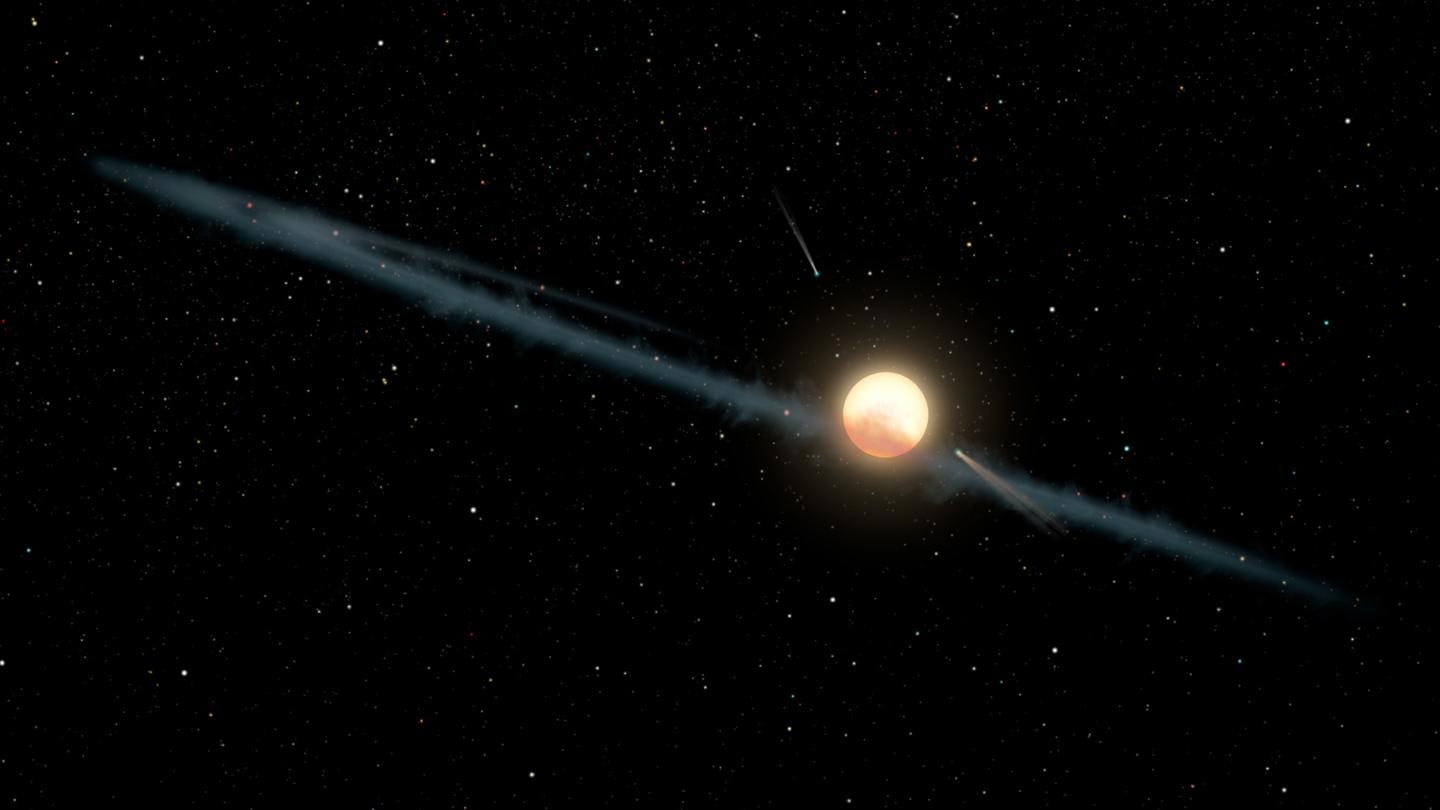
At present, this is the most widely accepted theory. In fact, most cosmologists consider it the leading candidate.
How It Happens
First, the universe continues expanding.
As a result, galaxies drift farther apart.
Eventually, stars burn out and stop forming.
After trillions of years:
- Black holes slowly evaporate
- Matter decays
- Energy spreads evenly
Consequently, the universe reaches maximum entropy. In other words, no usable energy remains.
Ultimately, the cosmos becomes cold, dark, and lifeless.
Why Scientists Support It
Currently, expansion is accelerating. Moreover, dark energy appears stable rather than weakening. Therefore, unless something changes, the universe will keep stretching indefinitely.
For that reason, the Big Freeze remains the most probable outcome.
🔥 2️⃣ How The Universe Will End: The Big Crunch
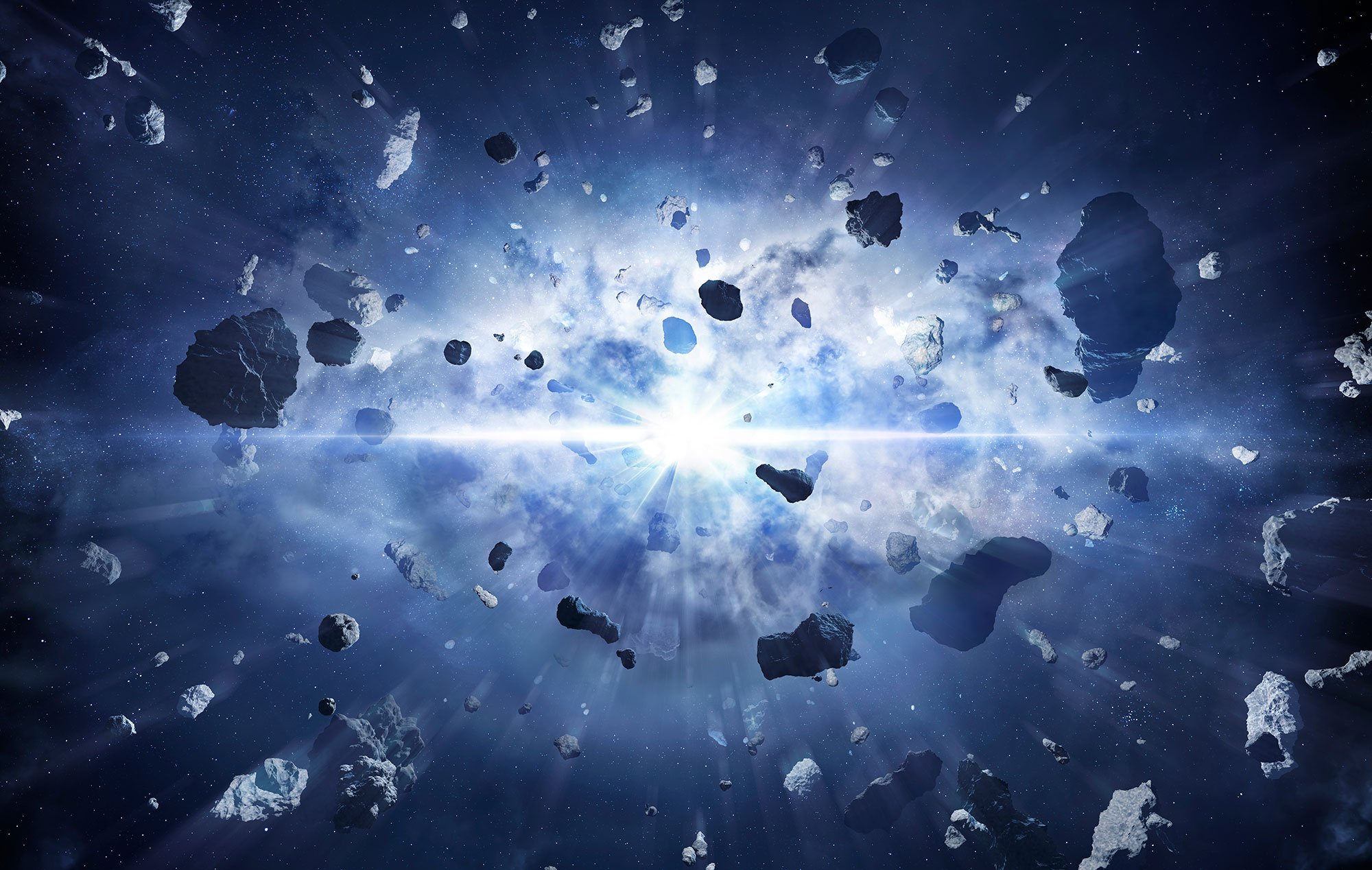
However, not all theories suggest endless expansion. Some scientists once believed gravity might eventually reverse the process.
What Would Happen?
If expansion slows down, then:
- The universe stops growing
- Galaxies begin moving inward
- Space itself contracts
As contraction continues, matter becomes denser. Eventually, everything collapses into a singularity — much like the beginning.
In contrast to the Big Freeze, this scenario ends in compression rather than emptiness.
Is It Still Possible?
At the moment, evidence suggests expansion is accelerating. Therefore, the Big Crunch appears unlikely. Nevertheless, if dark energy behaves differently in the future, this theory could regain relevance.
💥 3️⃣ How The Universe Will End: → The Big Rip
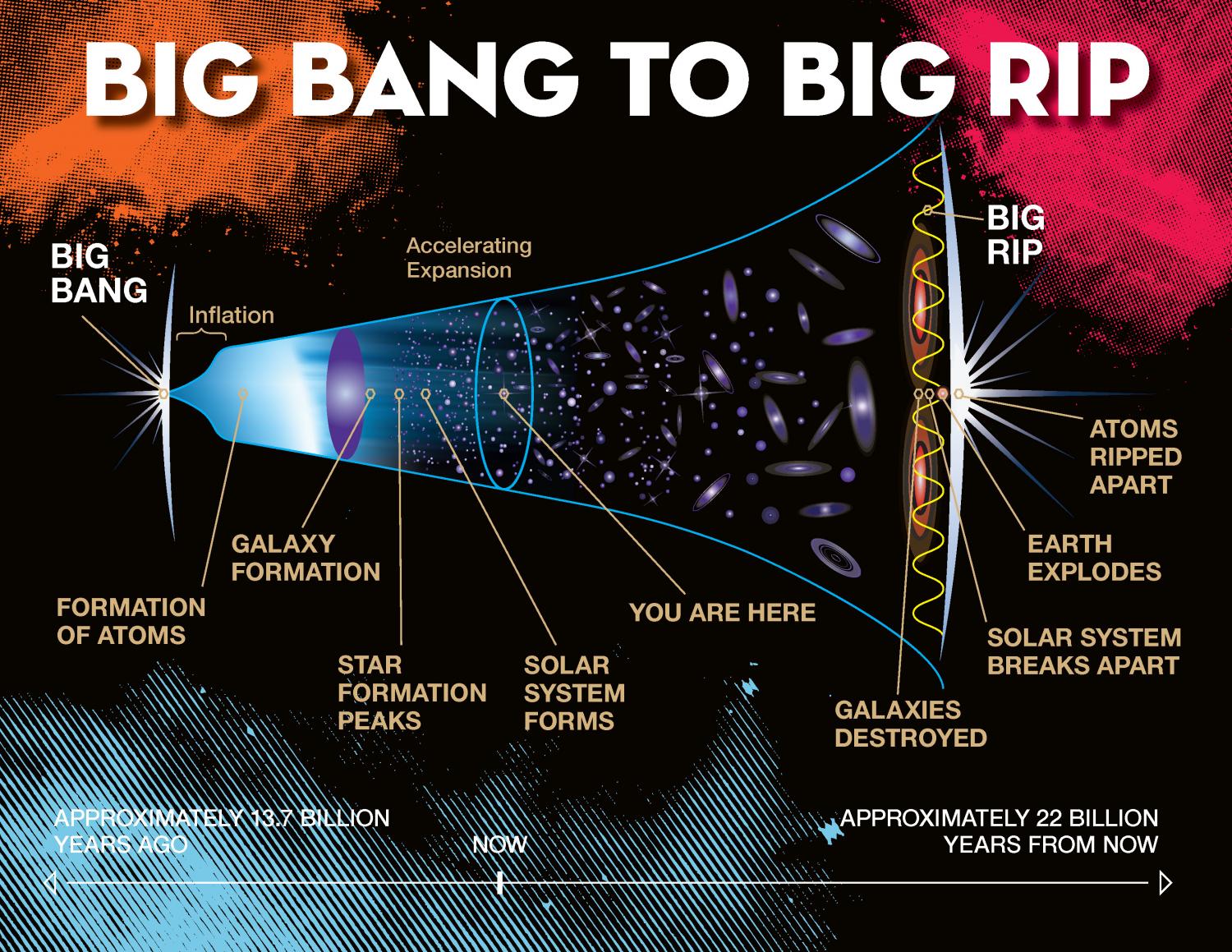
While the Big Freeze is slow and quiet, the Big Rip would be violent.
This theory suggests that dark energy might grow stronger over time. If that happens, expansion would accelerate uncontrollably.
Step by Step
First, galaxy clusters separate.
Then galaxies break apart.
After that, solar systems dissolve.
Finally, atoms themselves are ripped apart.
In this case, nothing survives — not even matter.
How Likely Is It?
So far, measurements do not strongly support increasing dark energy. However, scientists cannot completely rule it out. Thus, although unlikely, the Big Rip remains scientifically possible.
⚛ 4️⃣ How The Universe Will End: Vacuum Decay
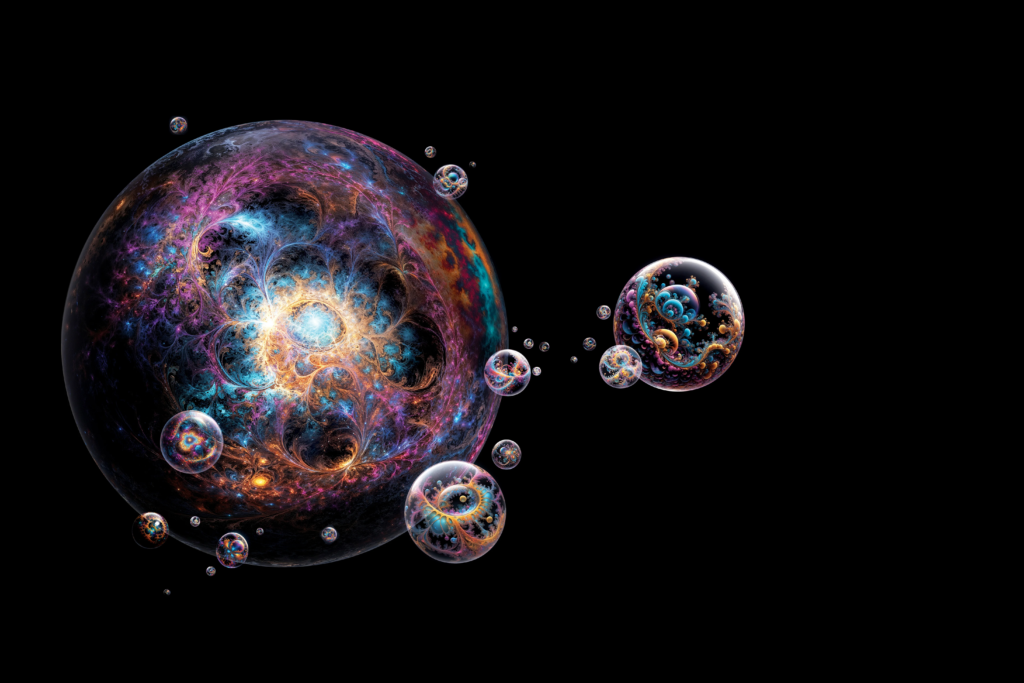
Finally, there is vacuum decay — perhaps the most unsettling scenario.
According to quantum field theory, our universe may exist in a “false vacuum” state. If a more stable state exists, a transition could occur.
What That Means
A quantum fluctuation could trigger a bubble of true vacuum.
Then, that bubble would expand at the speed of light.
As a result, the laws of physics would instantly change.
Most frighteningly, we would not see it coming.
Fortunately, physicists estimate this is extremely unlikely in the near future.
🧠 So Which Ending Is Most Likely?
Based on current observations:
- Expansion is accelerating
- Dark energy appears constant
- There is no sign of collapse
Therefore, the Big Freeze remains the strongest candidate.
However, cosmology is still evolving. As new data emerges, our understanding may change. For now, though, the slow fade into darkness appears most probable.
⏳ When Will It Happen?
Even in the fastest scenario, the universe will not end for billions — or more likely trillions — of years.
Consequently, humanity does not need to worry about cosmic extinction anytime soon.
🌠 Why This Question Matters?
Although the universe’s end lies far in the future, studying it helps scientists:
- Test fundamental physics
- Understand dark energy
- Explore entropy
- Refine cosmological models
Moreover, it gives perspective. Compared to cosmic timescales, human history is just a brief moment.
🚀 How The Universe Will End : Final Thoughts
The universe may end in ice.
Alternatively, it may collapse.
Perhaps it could tear itself apart.
Or, in the strangest case, it might reset instantly.
Whatever the outcome, one thing is certain:
The search for answers continues — and with every discovery, our understanding of reality expands.
Pingback: Universe From Nothing: Who Created ‘Nothing’ Before Big Bang?